Alarm Clock Digital Embroidery Review for Real Projects
When evaluating a digital embroidery design like the Alarm Clock Digital Embroidery, I look beyond just the visual appeal. As an experienced designer and reviewer, I assess how it will translate into real-world applications—how it stitches, where it shines, and when to avoid it. The Alarm Clock design caught my eye with its nostalgic charm and intricate detailing, but more importantly, it raised some practical questions about usability and versatility.
A Nostalgic Motif with Modern Appeal
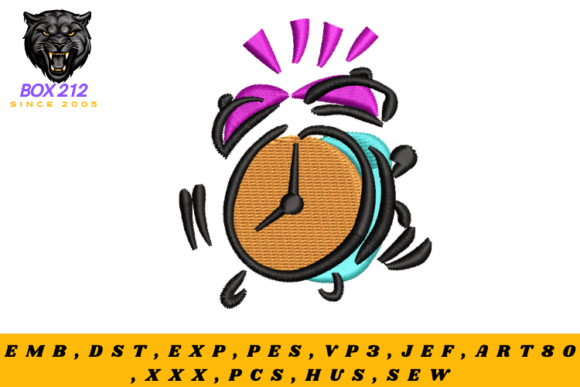
The first thing that stands out about the Alarm Clock Digital Embroidery is its character. It’s not just another clock; it’s got personality. The classic shape, with gently curved edges and subtle engravings, feels both vintage and timeless. This kind of motif naturally fits into handmade products that aim to evoke warmth or a sense of tradition. Think cozy kitchen towels, personalized baby items, or even holiday-themed gifts. It’s the kind of design that can double as functional art—something you’d want to see on a pillow cover or a custom tote bag.
I appreciate the balance between detail and simplicity. There are enough lines and textures in the face of the clock to give it depth without overwhelming the machine. That makes it a solid candidate for most mid-level embroidery machines, especially if the user is careful with stitch density settings. The overall layout is symmetrical and centered, which is great for creating professional-looking pieces with minimal adjustment.
Real-Life Use Scenarios
Let’s say I’m working on a custom sweatshirt for a boutique client. They want something playful yet elegant for their fall collection. The Alarm Clock design could work beautifully here—especially if placed on the sleeve or chest area. With a good satin stitch outline and fill stitch for the numbers and hands, it adds a whimsical touch without being too busy.
On a tote bag, this design becomes a statement piece. Whether used alone or paired with other motifs like teapots or mugs, it gives the finished product a cohesive theme that screams “handmade with heart.” For Etsy sellers or craft business owners, this is a plus—it increases buyer engagement and perceived value.
In the realm of holiday gifts, the Alarm Clock design could be stitched onto a festive apron or a tea towel, adding a personal twist to everyday items. The nostalgia factor here is strong, making it ideal for family-centered gifts or seasonal décor. Even for nursery decor, the gentle curves and clean lines feel appropriate and soothing.
For those who sell embroidered patches, this design could be adapted well, though attention must be paid to scale and thread choice. A smaller version would make for a cute accessory on denim jackets or backpacks, while the full-sized patch could serve as a decorative element on canvas bags or wall hangings.
Where It Works Best
- Custom apparel: Sweatshirts, t-shirts, and caps benefit from the design's clear shape and moderate detail level.
- Tote bags and aprons: These flat, sturdy surfaces allow the design to shine without distortion.
- Personalized gifts: Especially popular during holidays, the Alarm Clock design brings a warm, relatable message.
- Nursery and baby items: The soft curves and lack of sharp corners make it a safe and appealing choice for delicate fabrics.
- Commercial embroidery: Its clean composition and recognizable theme help maintain brand consistency across product lines.
Cautions for Specific Applications
While the Alarm Clock Digital Embroidery is versatile, there are situations where it may require extra care:
- Small hoop sizes: The details on the clock face might get lost or distorted if scaled down too much.
- Textured or stretchy fabric: Stitch clarity could suffer if the fabric distorts or shifts during embroidery.
- Dark backgrounds: Thread color contrast becomes critical. Without the right shade selection, the design can appear washed out or muddy.
- Curved surfaces: The symmetry of the clock may not adapt well unless the design is properly adjusted for curvature.
- Frequent washing: Items like kitchen towels or aprons need durable stitching. Dense areas or improper stabilizer use could lead to puckering or fraying over time.
Before using this design in production, I always recommend testing it on scrap fabric that matches your intended project. This helps catch issues with stitch density or thread tension early on, especially if the design includes multiple layers or intricate elements.
Visual Impact and Customer Reception
From a visual standpoint, the Alarm Clock design brings a sense of order and charm to any project. It’s instantly recognizable, which is key for branding or gift-giving. Customers tend to respond well to motifs they can relate to—especially ones that have a subtle function (like representing time) or a story behind them.
As an embroidery file, it maintains a high level of clarity when stitched on medium-weight cotton or linen blends. The design’s structure allows for creative customization: swapping thread colors, adjusting the background, or adding text around the clock face. These options are valuable for handmade shop owners looking to offer personalized products at scale.
However, when using it on thin or stretchy materials, such as rayon or jersey knits, you’ll need to adjust stitch spacing and possibly add a backing stabilizer. Otherwise, the design might lose definition or cause visible puckering in the final product.
Designer Notes and Practical Tips
Here are a few things I’ve learned when preparing designs like the Alarm Clock Digital Embroidery for real-world projects:
- Test before you commit: Always try the design on similar fabric to ensure stitch quality and alignment.
- Review thread color contrast: On dark or patterned fabrics, choose lighter or metallic threads for better visibility.
- Check stitch density: If the design includes fill stitches, especially in the clock face, test for tightness and fabric compatibility.
- Confirm hoop size: Make sure your hoop can accommodate the design at the desired size without stretching the fabric.
- Inspect small details: Engraved lines or tiny numerals might need reinforcement or simplification depending on the fabric.
- Use proper stabilizer: A tear-away or cut-away stabilizer can make all the difference, especially for stretchy or delicate materials.
- Mockups matter: Create a printable mockup to show clients or buyers what the finished product will look like. This builds trust and reduces revisions.
- Confirm licensing: If you plan to use this design in commercial embroidery or as part of digital product assets, always verify the license terms. Some files are only for personal use, so it’s essential to know where you stand legally.
Designing for Both Personal and Commercial Use
One of the strengths of the Alarm Clock Digital Embroidery is its adaptability. It works equally well for hobbyists crafting personalized gifts and small shop product lines aimed at customers seeking unique home goods. The design doesn’t scream “mass-produced,” which is crucial for maintaining the handmade aesthetic that many creative entrepreneurs strive for.
That said, if you're planning to mass-produce items like embroidered caps or layered garments, consider whether the design will hold up under pressure. In these cases, you might want to simplify certain aspects or reinforce key features with running stitch or satin stitch outlines to preserve clarity and durability.
Final Thoughts for Embroidery Designers and Sellers
Overall, the Alarm Clock Digital Embroidery is a thoughtful addition to your design library. It has the potential to elevate custom apparel, personalize kitchen-related items, and bring a touch of whimsy to handmade products. But as with any design, success depends on how well you match it to the right project and prepare accordingly.
If you're an Embroidery hobbyist, this design is perfect for experimenting with different thread combinations and stitch types. If you’re a small shop owner or Etsy seller, it offers a reliable motif that customers will love—especially when presented with high-quality stitching and thoughtful placement.
Remember, the best way to judge an embroidery project is through trial and observation. Take the time to test the design, refine the settings, and understand its limitations. When done right, the Alarm Clock Digital Embroidery can become a signature element in your craft portfolio, helping you stand out in a crowded market with charm, precision, and purpose.